Maritime Security / High Risk Area Transit Planning
Plan and support vessel transits through high-risk maritime corridors.
Preparation and operational support for vessels entering exposed maritime corridors — routing, reporting, watchkeeping and escalation set before entry, and support maintained through the transit.
The operating problem
Exposed-corridor transits are decided before entry.
Transits of exposed corridors require preparation across routing, reporting and response that must be set before the vessel enters the area.
The operating environment can change during the passage, so preparation has to be matched by monitoring and a clear basis for escalation.
Trident supports both — the plan before entry, and the operational picture through the transit.
High-risk transit support
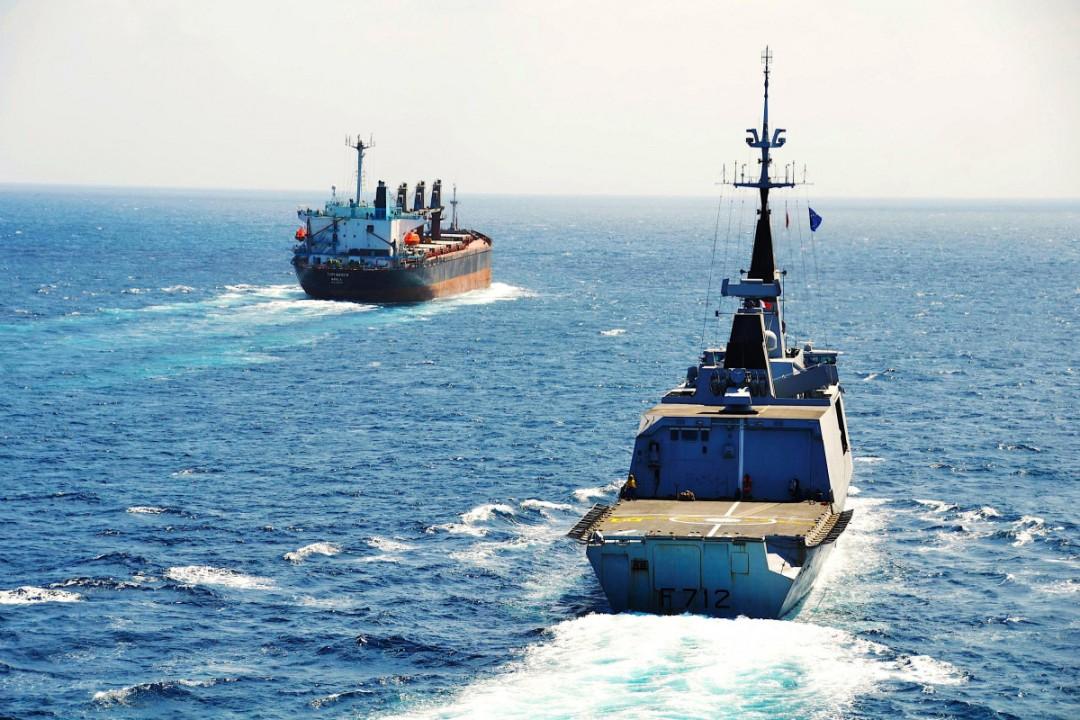
Red Sea.
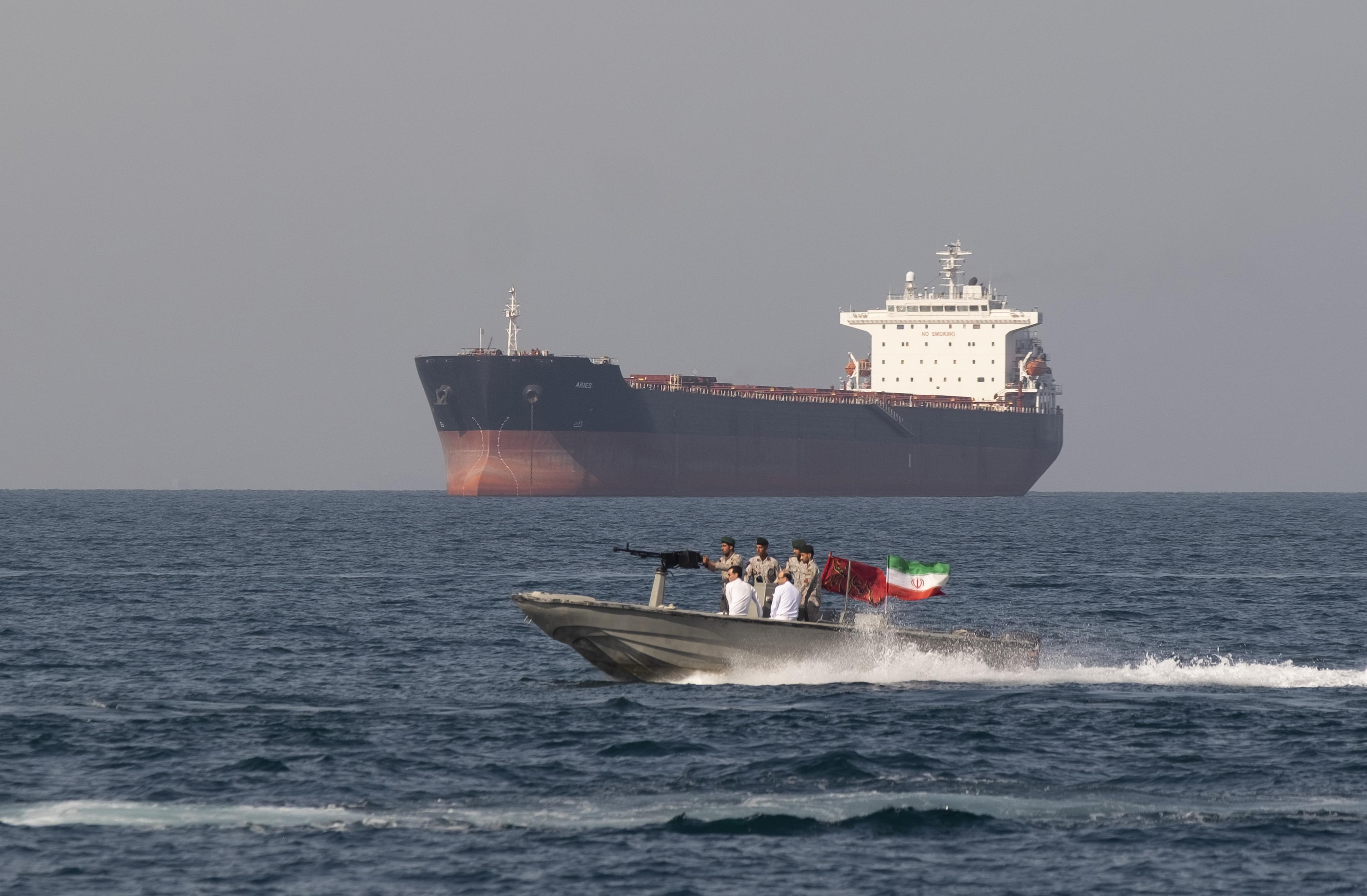
Strait of Hormuz.
Voyage-specific intelligence and operational support for vessels navigating high-risk maritime environments.
Red Sea
Bab el-Mandeb · Gulf of Aden
Voyage-specific threat assessment, vessel affiliation exposure, route and context assessment and pre-transit preparation for merchant shipping operating through the Red Sea, Bab el-Mandeb and the Gulf of Aden. Where appropriate, coordination with recognised maritime and military shipping-support mechanisms.
Strait of Hormuz
Transit planning · Decision support
Transit planning and operational decision support for the Strait of Hormuz — route and context assessment, and vessel-specific support, with coordination with relevant maritime authorities and recognised shipping-support mechanisms where applicable. Route arrangements are treated as context-dependent, not permanent.
What shapes the transit assessment
Five inputs into one plan.
The plan is built for the specific vessel and voyage, not the corridor in general.
Vessel & cargo
Vessel profile, cargo and operating characteristics relevant to the corridor.
Affiliation exposure
How the vessel may be perceived within the relevant threat environment.
Route & chokepoints
The specific corridor, chokepoints and points of exposure along the passage.
Threat environment
Current threat activity, targeting behaviour and escalation indicators.
Reporting & coordination
Reporting requirements and coordination with recognised shipping-support mechanisms.
Resolves into
The transit plan
Routing, reporting, watchkeeping and escalation, set for the specific voyage.
Preparation and support
Before entry, through the transit, and if it escalates.
Before entry
Routing, reporting and watchkeeping arrangements, and escalation triggers, set before the vessel enters the corridor.
During transit
Operational awareness and updates as the environment changes, with coordination and escalation support maintained through the passage.
If it escalates
A clear, pre-agreed basis for escalation and response, coordinated with the vessel and relevant mechanisms.
What you receive
A plan the bridge can act on.
Delivered as a transit plan covering routing, reporting and escalation, with supporting preparation and coordination.
Transit plan
Routing, reporting, watchkeeping and escalation triggers for the specific voyage.
Pre-entry preparation
Preparation set before the vessel enters the exposed corridor.
Reporting & coordination arrangements
Reporting requirements and coordination with recognised shipping-support mechanisms where applicable.
Escalation & response readiness
A clear basis for escalation and response maintained through the transit.
Limitations
What this service does not do.
Stated plainly, so the support is not mistaken for something it is not.
- Voyage-specific support and planning — not a guarantee of safe passage.
- Not naval protection, an armed guard team or an embarked detachment.
- Trident does not control or direct military coordination.
- Route arrangements are context-dependent and confirmed for the specific voyage, not offered as permanent.
- Does not replace the Master's command of, or responsibility for, the vessel.
Related intelligence & reports
Intelligence feedRed Sea Maritime Threat Assessment
Voluntary Reporting Area Overview
Maritime Intelligence
JWLA-034 brings Saudi Red Sea transits within the Listed Area
Port / Operations
Strait of Hormuz commercial traffic remains heavily suppressed
Cyber / GNSS
GNSS disruption remains concentrated across three maritime corridors
Related services
Voyage Vulnerability Assessment
Route based assessment combining vessel profile, cargo, ownership, recent trading pattern, threat environment and escalation indicators.
View serviceBridge Response Officer
Onboard operational support for vessels transiting high-risk areas, including crew briefings, drills, threat updates and continuous liaison with the Trident GSOC.
View serviceEmbarked Security Coordination
Coordination of armed or unarmed embarked security arrangements, provider selection, embarkation planning and reporting expectations.
EnquireHigh-risk transit enquiries
Discuss a transit.
Tell us the vessel, corridor and timing — including Red Sea, Bab el-Mandeb, Gulf of Aden or Strait of Hormuz transits. We will identify the right support and respond directly.